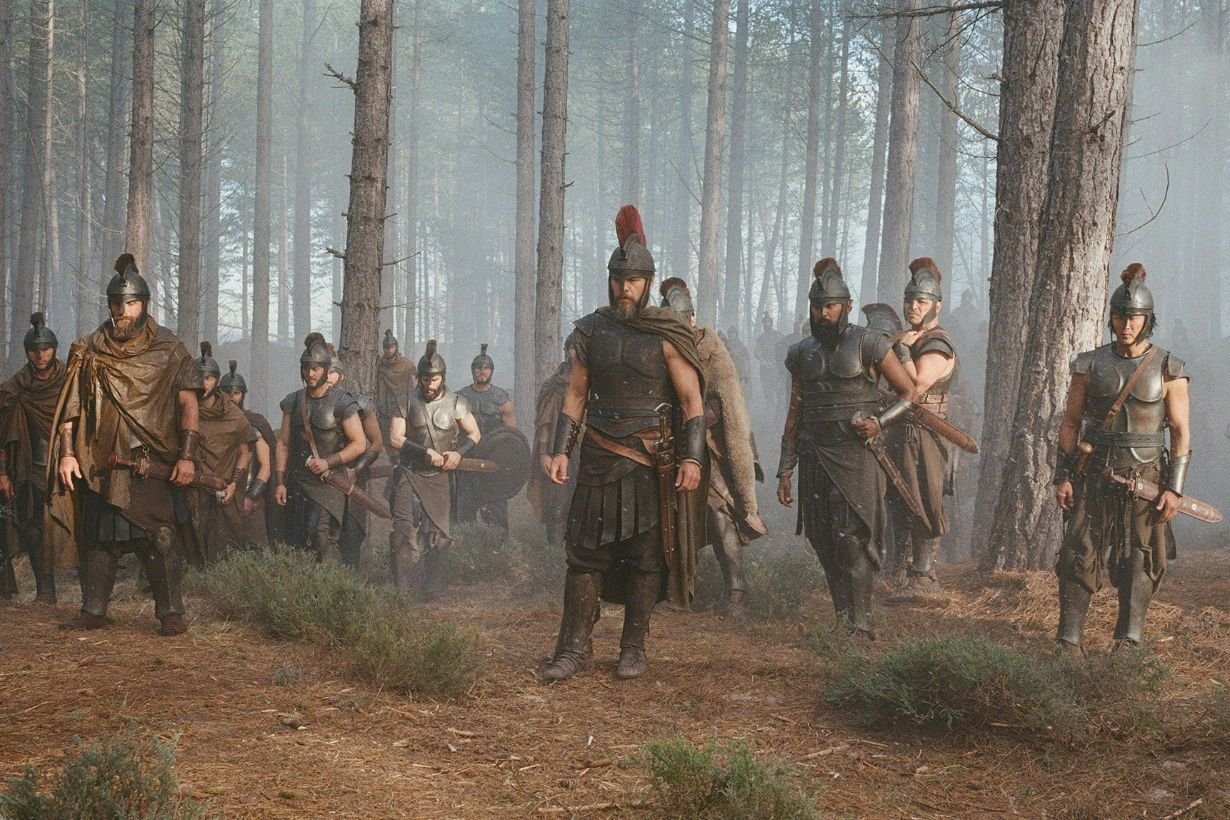
I completed my engineering in Pune in 2016. Looking back, I don’t think engineering taught me as much about people or the making of a cult classic as the movies we watched together did.
Every hostel room had its own personality. Ours had four mattresses, a noisy ceiling fan that sounded like it would fall any day, one unreliable laptop, a pair of tiny speakers that distorted every explosion, and a cupboard that somehow always had packets of Maggi, Parle G, and unfinished assignments stacked side by side. Friday evenings followed an unwritten ritual. Someone would bring samosas on the way back from college. Someone else would disappear to buy cold drinks. The lights would go off, the curtains would close, and for the next three hours our cramped room would become the biggest theatre in Pune.
Looking back, I never realized we were witnessing the making of a cult classic every weekend.
The interesting part is that we never spent much time deciding what to watch. We simply watched the movies that everyone had been recommending for years. If someone in the room hadn’t seen Fight Club, that immediately became the plan. If one of us had never watched The Shawshank Redemption, the rest of us looked at him as though he had missed an important chapter of life. On lighter nights, there was never any debate.
Somebody would casually say, “Put on Hera Pheri,” or “Let’s watch Hungama,” and within seconds everyone agreed. We never called them cult classics. To us, they were just films that somehow never got old. We rarely cared about historical accuracy in films or critical acclaim. We only cared about whether a movie brought all four of us together. Perhaps that is where the making of a cult classic truly begins.
I often smile when I think about those Priyadarshan comedies. Between 2012 and 2016, we quoted Baburao, Shyam, and Raju almost every day without realizing we were participating in something much larger than our hostel jokes. We borrowed dialogues during lectures, slipped them into conversations, and laughed even before the punchline arrived because we all knew what was coming.
Years later, social media exploded with memes from Hera Pheri, Phir Hera Pheri, Hungama, Bhool Bhulaiyaa, Garam Masala, and Malamaal Weekly. Suddenly, people began calling them cult classics. I found that funny because, for us, they had never disappeared. We had been carrying those films with us all along. The internet simply caught up. The making of a cult classic had been happening long before anyone gave those films that label.
That made me wonder whether a cult classic is really something that critics declare, or whether it is something audiences quietly build over time. Box office numbers cannot explain why an old comedy still dominates meme pages twenty years later. Awards cannot explain why people instantly recognize a single line of dialogue or why complete strangers laugh together after hearing it. Something else is happening. These films slowly become part of everyday language. They stop belonging only to cinema and start belonging to culture. To me, that is the real making of a cult classic.
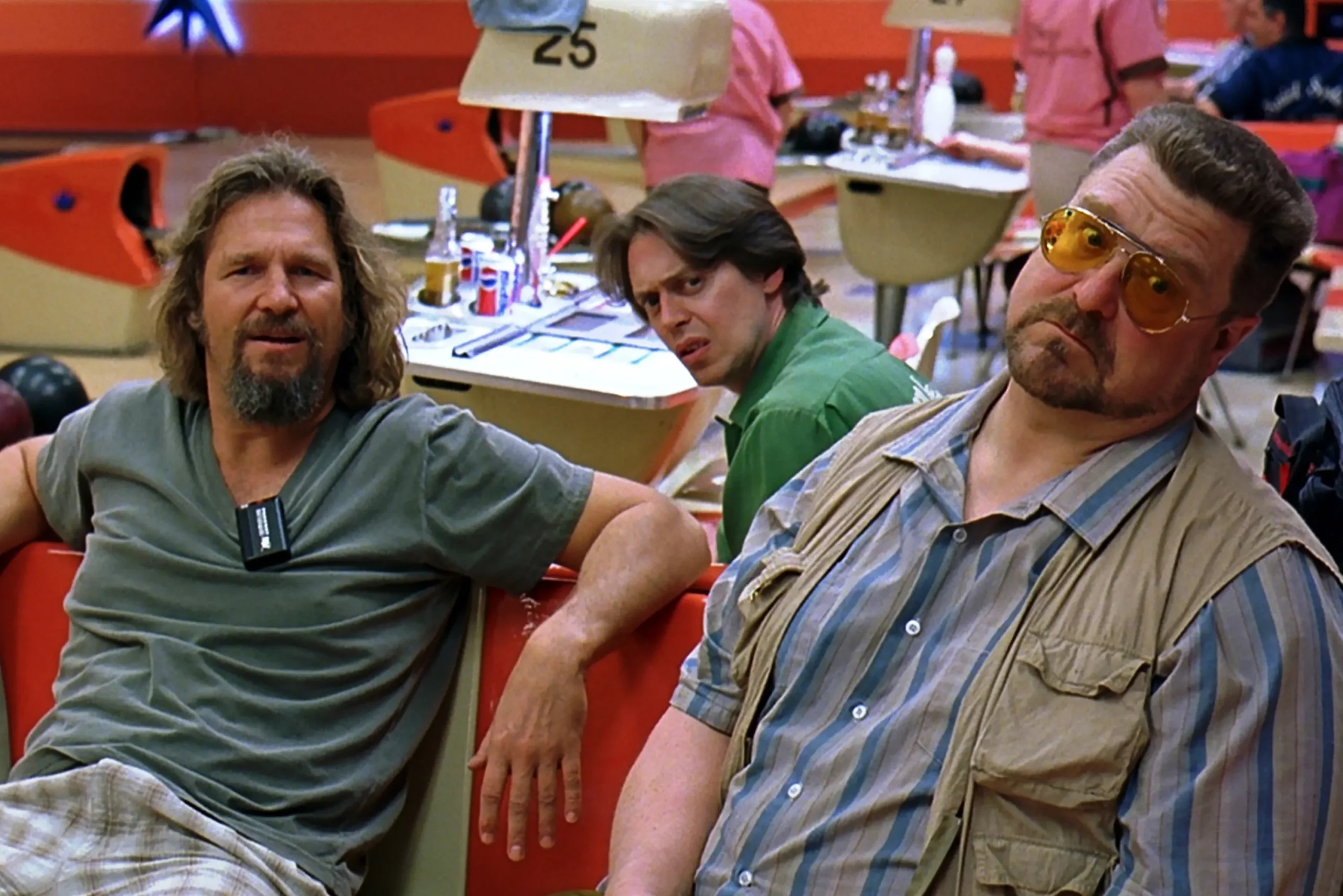
The same was true for Fight Club, The Big Lebowski, Pulp Fiction, and The Shawshank Redemption. None of us discovered those films in theatres. We inherited them. Seniors recommended them to juniors. Friends insisted that everyone should watch them at least once. If someone loved one of those films, they felt almost responsible for introducing it to someone else. Looking back, I think that is how cult classics survive. They are passed from one person to another like favourite books, old songs, or family recipes. Every recommendation keeps them alive for another generation.
People often describe cult classics as films that failed at the box office but later found an audience. While that certainly happens, I think the definition is incomplete. A cult classic is not created on the day of its release. It is created years later when people refuse to let it fade away. They quote it, argue about it, revisit it, and recommend it to anyone who will listen. Every rewatch strengthens its place in popular culture. Perhaps that is also why nostalgia makes movies better. That slow journey is the making of a cult classic, not its opening weekend.
Whenever someone asks me what makes a film a cult classic, I never think about critics or collections. Instead, my mind goes back to that tiny hostel room in Pune, where four engineering students laughed at the same joke for the fifteenth time as though they were hearing it for the first. Looking back, none of us realized we were helping create the legacy of those films simply by keeping them alive in our conversations.
Perhaps that is how every cult classic is made. Not in a studio. Not on opening weekend. But in ordinary rooms filled with ordinary people who decide that one more rewatch is always worth it. That, more than anything else, is the making of a cult classic.