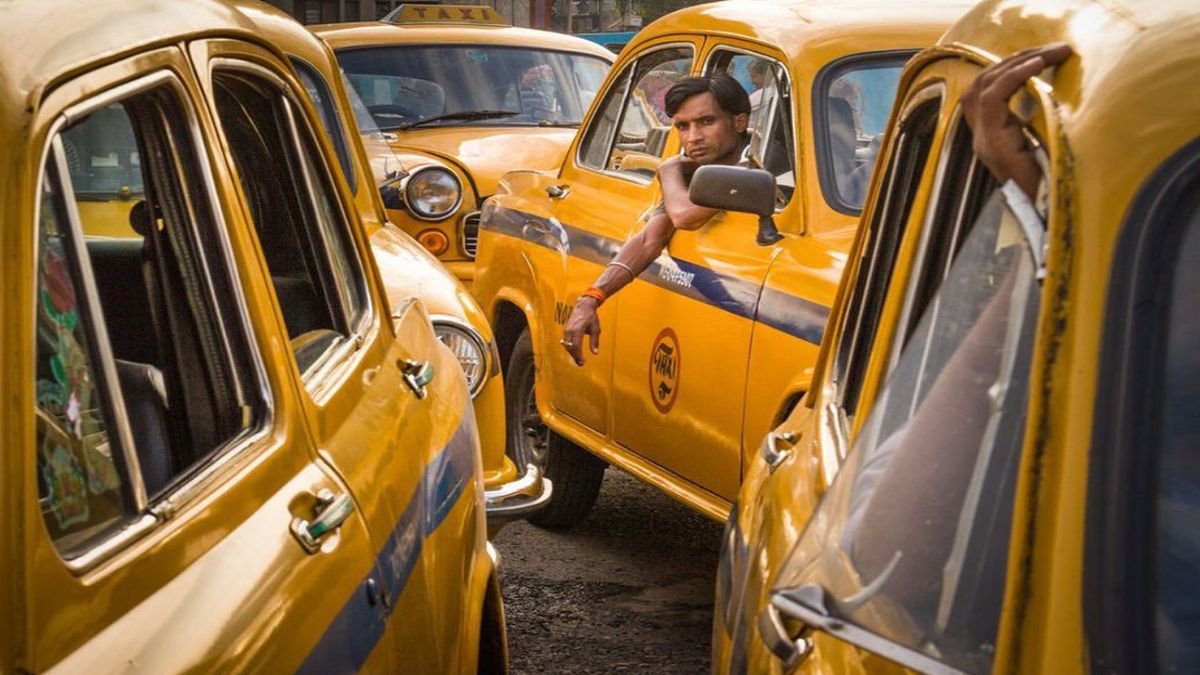
I grew up in Kolkata, where the yellow taxi wasn’t a symbol of the city. It was simply part of life. I didn’t know it then, but those ordinary days would one day show me why nostalgia makes movies better.
Every morning, they lined the streets outside my school. Every evening, they squeezed through impossible traffic, their horns blending with tram bells, street vendors, and the chatter of people who never seemed to be in a hurry. On rainy afternoons, I watched raindrops race down the taxi window while the city blurred into streaks of yellow, green, and grey. I didn’t know it then, but those rides were teaching me how memories work. They never arrive alone. They carry sounds, smells, faces, and feelings with them. That is exactly what movies do. Nostalgia makes movies better.
People often tell me nostalgia clouds our judgment. They say it convinces us that old films are masterpieces simply because they remind us of a happier time. I understand the argument, but every time I hear it, I think they are asking the wrong question. Why should I separate a movie from the life I was living when I watched it? I never watched films inside a vacuum. None of us do.
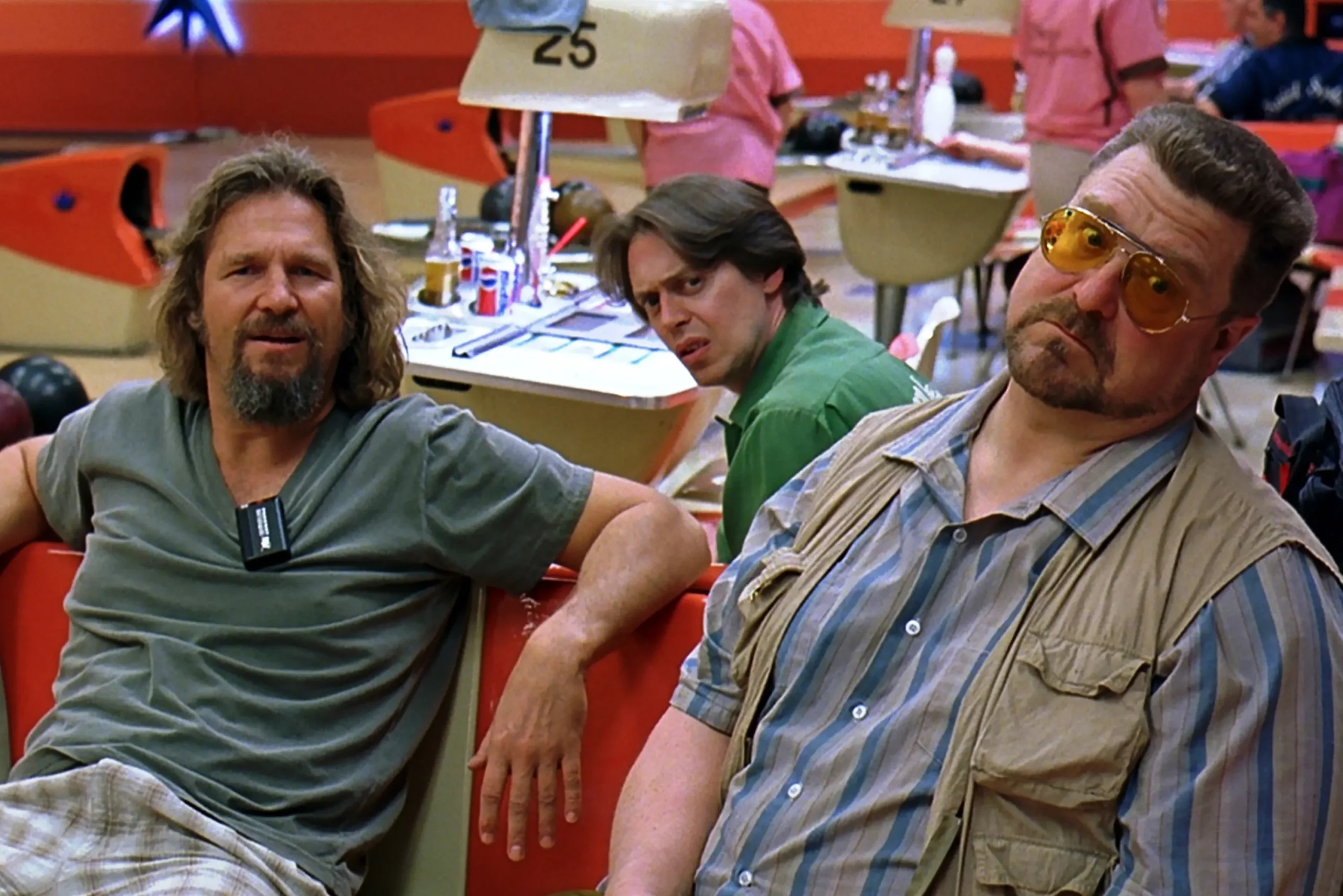
When I revisit Pather Panchali, I do not just see Apu running through the fields. I see my grandfather sitting beside me, explaining why Satyajit Ray never rushed a scene. When I watch an old Shah Rukh Khan film, I do not just smile at the romance. I remember my mother humming along to the songs while cooking dinner. Those memories do not distract me from the films. They complete them.
I have rewatched plenty of childhood favourites only to notice weak visual effects, clumsy dialogue, or jokes that no longer land. Years ago, I thought discovering those flaws would break the spell. It never did. If anything, it made me appreciate the films even more. They survived my criticism because I never loved them for their perfection. I loved them because they stayed with me long after the credits rolled.
I think we misunderstand nostalgia because we treat it like a trick of the mind. To me, it feels more like evidence. It proves that a film reached beyond entertainment and settled somewhere deeper. Most movies disappear a few days after we watch them. The ones we call nostalgic refuse to leave. They become landmarks in our lives. We remember where we sat, who laughed first, who cried, and who is no longer around to watch them with us.
Every time I return to Kolkata, I instinctively look for those yellow taxis. Ride sharing apps have changed the city, and the roads look different now, but spotting one still makes me smile. It is such an ordinary thing, yet it carries the weight of an entire childhood. The taxi has not changed. I have. Somehow, that makes the sight of it more beautiful than it ever was.
Movies work the same way. The frames stay exactly as they were on the day they were released. The dialogue never changes. The ending remains the same. Yet every rewatch feels different because I bring a different version of myself into the room. At twelve, I searched for adventure. At twenty, I searched for love. Today, I search for meaning. The film patiently waits for me each time, offering something new because I arrive as someone new.
Sometimes I think about the films that are playing in theatres today. Somewhere, a little girl is sitting beside her parents, completely absorbed in a story she will barely think about tomorrow. A group of friends is laughing through the end credits before stepping out into the night. Someone is watching a movie on a first date. Someone else is escaping a difficult week for just a few hours. Right now, they are simply living their lives, and the movie is only a small part of that day.
Years from now, those very films will become nostalgia.
They will remember the person sitting beside them, the theatre that no longer exists, the city they once called home, or the version of themselves they left behind. They will believe they are revisiting a movie, but what they are really revisiting is a moment in their own life. The film did not become special because time passed. It became special because life happened around it. Perhaps that is the quiet reason nostalgia makes movies better.
That is why I cannot agree when people say nostalgia makes movies seem better than they really are. Better according to whom? A checklist can measure cinematography, editing, performances, or screenplay, but it can never measure the life that quietly attached itself to a film. Cinema is not experienced in isolation. It grows alongside us. It watches us grow.
Maybe that is why I believe nostalgia makes movies better. Not because it changes the film, but because it changes us. It reminds us that while a story was unfolding on the screen, another story was unfolding inside us. We rarely notice it in the moment because we are too busy living.
Perhaps that is cinema’s greatest gift. It does not just preserve stories. It preserves the people who lived through them.
So what do you think? Does nostalgia makes movies better?